The hook
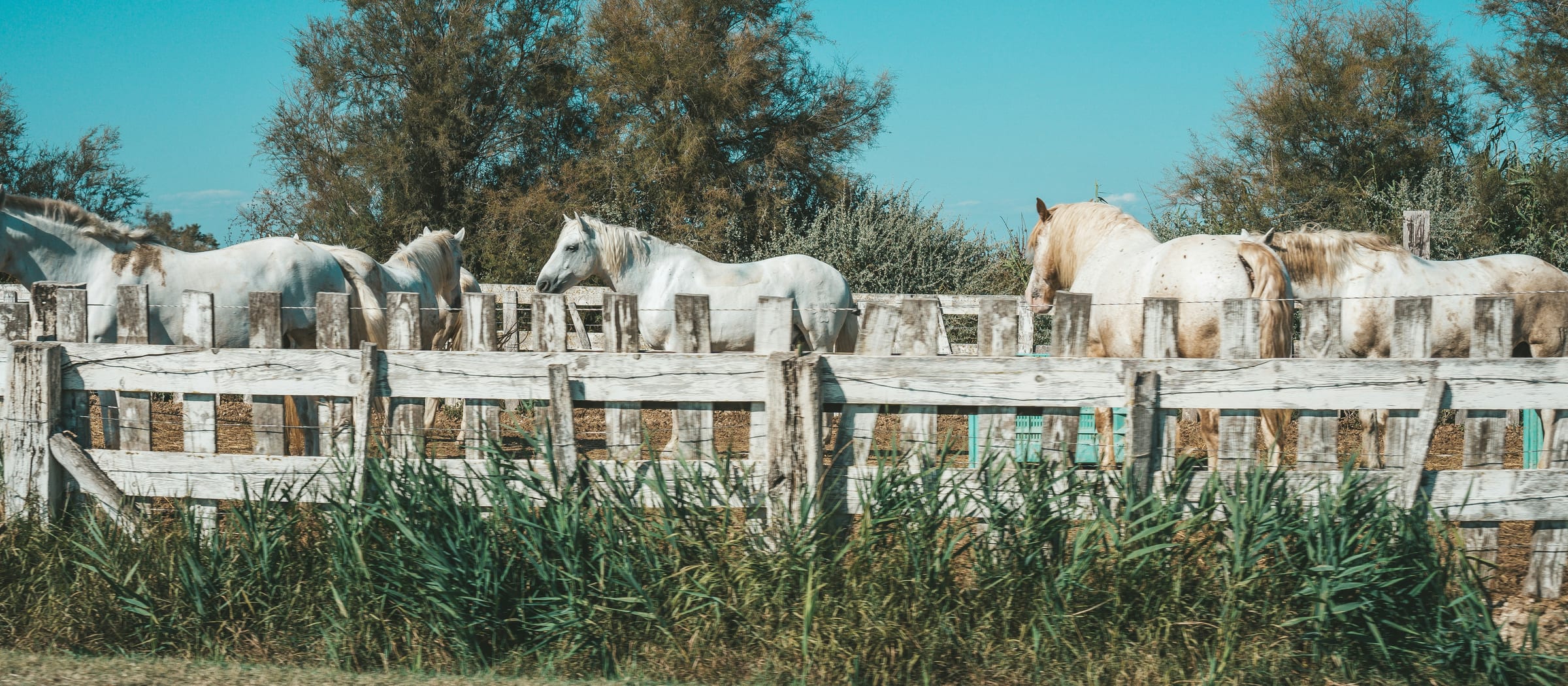
The Camargue is the only place in Western Europe where you can ride semi-wild white horses through wetlands populated by flamingos and bulls. The Camargue horse, one of the oldest breeds in the world, has lived in this delta of the Rhône for at least 17 centuries, and quite possibly longer. They're born dark and turn white between the ages of four and seven. They live in herds, often half-wild. They work cattle in a way that hasn't fundamentally changed since Roman times. And the landscape they live in is so distinctive that UNESCO designated the Camargue Regional Nature Park to protect it specifically.
For the rider, the Camargue offers something rare: a week's holiday that's also a cultural immersion in a working agricultural tradition. The gardians (Camargue cowboys) still herd cattle on horseback. The manades (working ranches breeding bulls and horses) still operate as family businesses. The food is regional and distinctive (gardiane de taureau, riz de Camargue, fleur de sel). The setting blends wetland nature reserve with active agricultural land in a way that feels timeless rather than touristic.
This is the riding holiday for the rider who wants European travel, distinctive imagery, working agricultural authenticity and salt-flat canters in the same trip.
Why the Camargue
The horse. The Camargue horse is small (typically 13.1 to 14.3 hands), tough, surefooted, well adapted to riding in water and marsh. It's been bred and selected for the same work for centuries. Riding one in its home environment is genuinely different from riding any other European breed.
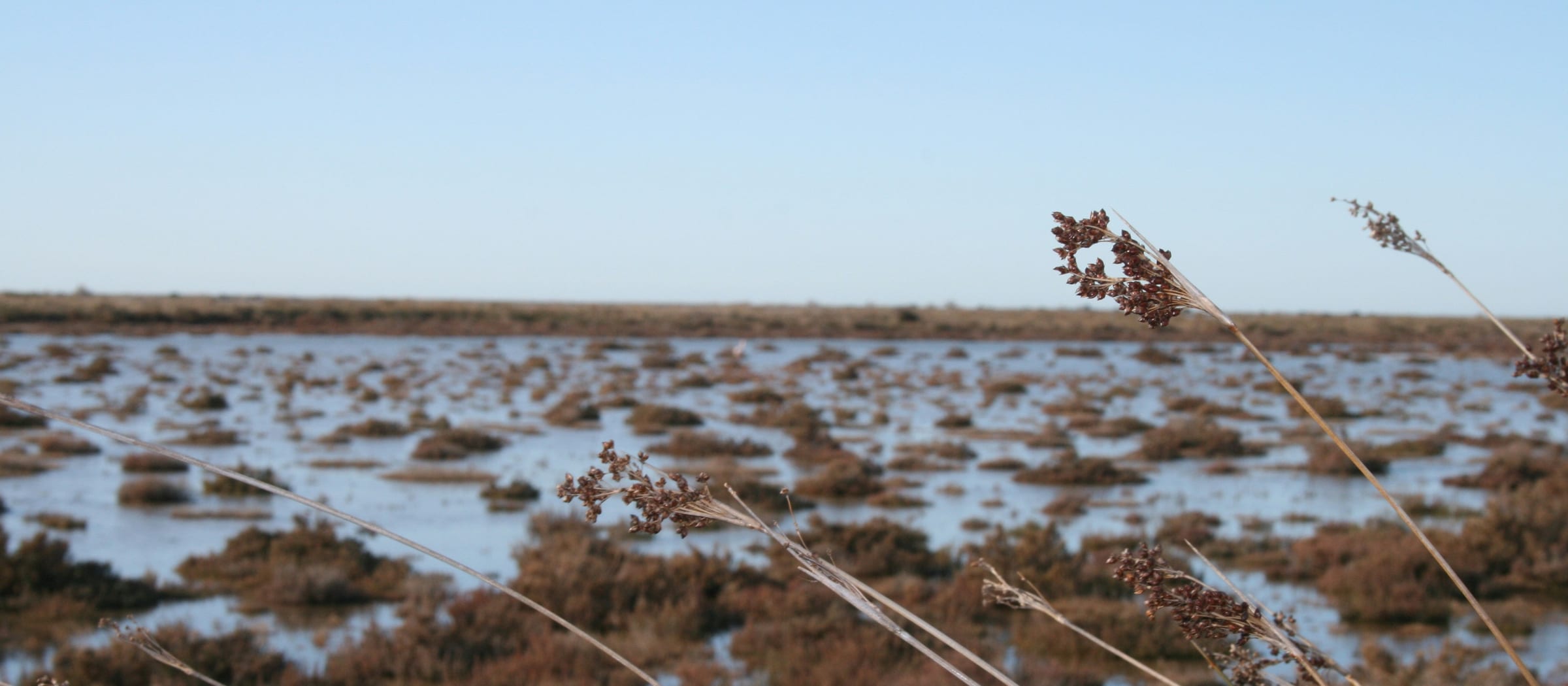
The landscape. The Rhône delta, where the river splits before reaching the Mediterranean, creating a vast wetland of salt marsh, lagoons, sand dunes, freshwater rice paddies and grazing land. UNESCO biosphere status. Pink flamingos in their thousands, bulls grazing the salt-tolerant grasses, white horses moving through it all.
The culture. Distinctive Provençal-Camargais culture preserved by working manades and the regional commitment to traditional agricultural practices. Bull-running festivals (course camarguaise, where the bull is not killed, distinct from Spanish corrida), traditional gardian dress, Provençal language traces, regional cuisine.
Mid-tier accessible riding. Most Camargue trips run as 5 to 7-day mid-tier breaks combining riding with cultural visits. Mid-luxury accommodation (mas, the traditional Provençal farmhouse), regional food, English-speaking hosts at most operators that target international visitors.
Strong photography. White horses against blue sky, salt flats, flamingos, sunset over the Mediterranean. The Camargue produces some of the most distinctive riding holiday photography in the world.
Who it's for
Confident novice to intermediate riders. Most operators welcome a wide ability range. The Camargue horse is forgiving.
Couples and small groups of friends. The format suits 2 to 6 people travelling together.
Families with riding children (12+). Most operators accept teen riders with experience.
Riders combining a French holiday with riding. Avignon, Nîmes, Aix-en-Provence and Marseille are all under 90 minutes from the Camargue.
Photographers and Instagram-active travellers. The visual material from a Camargue ride is among the strongest in equestrian travel.
Solo travellers. Group dynamics on Camargue trips tend to be sociable.
Less ideal for: absolute beginners (some basic competence required), riders looking for high-altitude or mountain riding, advanced riders chasing technical training, travellers wanting ultra-luxury.
When to go
April to June is the prime window: warm but not hot, wildflowers in the salt marsh, foals everywhere, accessible flying. September and October are excellent value alternatives: warm enough for comfortable riding, fewer tourists, harvest season for rice and vines, often the best photography light. July and August are hot. Lessons typically shift to early morning and late afternoon. November to March is shoulder. Some operators close; others run reduced schedules.
What to expect
A typical 5 to 7-day Camargue ride:
- 5 to 7 nights at a manade (working Camargue farm) or partner mas accommodation
- Two rides per day or one long full-day ride, varying by operator
- Rides through salt flats, beach, marsh, vineyards, and rice paddies
- Visit to a working manade for traditional gardian demonstrations
- Saintes-Maries-de-la-Mer or Arles cultural visit
- Camargue beach ride at some point (sand, sea, often a long canter)
- Regional food: gardiane de taureau (bull stew), tellines (small clams), fougasse (Provençal bread), local wines and pastis
- Optional flamingo-watching, salt works tour, vineyard visit on rest days
Practical info
- Flights from UK: Marseille (most convenient, 90 min from the Camargue), Avignon, Montpellier, Nîmes.
- Best base: Aigues-Mortes, Saintes-Maries-de-la-Mer, or Arles.
- Currency: Euro (€)
- Pack: own boots, helmet, breeches or jodhpurs, breathable shirts, sunhat, mosquito repellent (the marsh has them in summer), waterproof for occasional rain showers.
- Hire car: useful but not essential. Most operators arrange airport transfers.
Saddl insider tips
- The Camargue rewards research on the operator. The single-property manade stays deliver the strongest sense of place; the moving multi-property itineraries dilute the cultural immersion.
- Mosquitoes in July and August can be intense. Bring strong repellent (DEET-based or PMD).
- The Camargue beach ride is a highlight on most trips. If your operator doesn't include one, ask why.
- Combining the Camargue with a longer Provence holiday is the right call for many travellers. Three nights riding plus four nights touring makes a strong week.
- Course camarguaise events are specific to the region and worth attending if dates align. They're free or cheap, run in small Provençal towns.
- The traditional manade lunch (gardiane de taureau or paëlla camarguaise, regional wine, often outdoors) is half the experience.