The hook
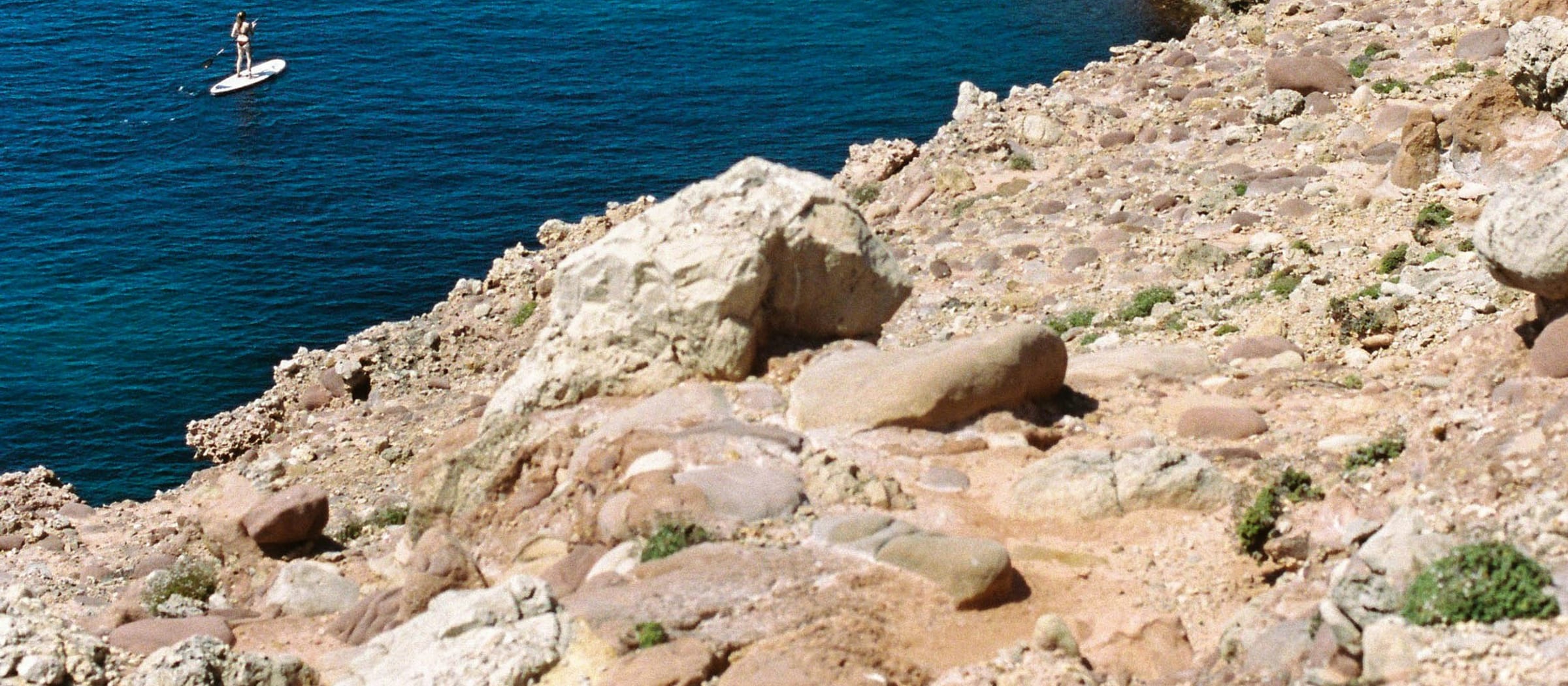
Menorca is the smallest of Spain's three main Balearic islands, and the only one you can ride right around. The Camí de Cavalls (the Path of Horses) is a 180-kilometre coastal bridleway that circles the entire island, originally built in the 14th century when Menorcan settlers were obliged to keep an armed horse for coastal defence. The watchtowers and fortresses that the path linked are still there. So is the breed it was built for: the Pura Raza Menorquina, a pure black horse known for its elegance, agility and the spectacular bot (the rear-up movement performed at every traditional Menorcan festival).
For the rider, this is a Mediterranean week with cultural depth most island holidays don't offer. UNESCO Biosphere Reserve status protects the coastal landscape from over-development. The riding ranges from family-friendly day rides at gentler operators to multi-day point-to-point trails covering long sections of the coastal path. The food is regional (the gin distillery at Ciutadella is the last of its kind, the cheese is exceptional, the seafood is among the Mediterranean's best), the climate is reliably warm from spring through autumn, and the flights from the UK are short.
This is the Mediterranean riding break for the rider who wants something more than a beach trek.
Why Menorca
The Pura Raza Menorquina. Recognised as a breed only in 1987 although it has existed for many centuries. Must be black to be officially registered. Famously elegant, fast, and agile; trained for traditional festivals where they perform the bot (rearing on hind legs) for crowds in town squares. Around 200 to 300 horses on the island today.
The Camí de Cavalls. A 180km coastal bridleway encircling the entire island. Originally a 14th-century military path; restored in recent decades and now open to walkers, cyclists and riders. Multi-day point-to-point trails follow sections of the path with luggage transfers between hotels.
UNESCO Biosphere Reserve. Designated in 1993, protecting Menorca's natural areas from the over-development that has affected Mallorca and Ibiza. The coastline retains long stretches of unspoiled beach, dune systems, ravines, pine forests, and rural farmland.
The cultural festivals. Menorcan summer festivals (the Jaleo) feature horses performing the bot in town squares. Cinque major festivals across the summer; Sant Joan in Ciutadella (23 to 25 June) is the largest.
Mediterranean accessibility. 2 hours flight from London to Mahón (Maó). Direct flights from regional UK airports.
Food and drink. Caldereta de langosta (lobster stew), Mahón cheese (PDO-protected), Xoriguer gin, local wines from Binissalem and Pla i Llevant, sobrasada and fresh fish.
Who it's for
Confident novice to intermediate riders. Most Menorca operators welcome a wide ability range. The Camí de Cavalls coastal sections are mostly walked due to terrain (rocky paths in places, narrow tracks).
Travellers wanting Mediterranean accessibility with cultural depth. Easy to combine with non-riding family or short city visits to Mahón or Ciutadella.
Couples and friends going as 2 to 6 people. The format suits small group bookings well.
Families with riding children (12+). Some operators (Cavalls Son Angel, Son Bou) accept children from 5 or 6 years on shorter day rides.
Solo travellers. Group dynamics on Menorca trips tend to be sociable.
Spring and autumn riders. Menorca's climate makes April-May and September-October exceptional for riding.
Less ideal for: absolute beginners, riders looking for fast-paced or technical training, travellers wanting genuine wilderness, riders chasing long canters at speed (Camí de Cavalls is mostly walking pace).
When to go
April to June is prime riding season: warm but not hot, wildflowers, before peak tourist season. September and October are excellent value: warm sea for swimming, harvest season, fewer tourists, often the best photography light. July and August are hot. Lessons typically shift to early morning and late afternoon. November to March is shoulder. Some operators run reduced schedules; many stay open year-round.
What to expect
Two main formats:
Multi-day Camí de Cavalls trail (5 to 8 days): point-to-point trail following sections of the coastal path. Stay at different hotels along the route (luggage transfers). 4 to 6 hours daily riding. Mostly walking pace due to terrain; some trotting and cantering on suitable sections. Lunch typically at beach restaurants on the route. Visits to caves, watch towers, prehistoric Talayot sites.
Centre-based hotel stay with day rides (4 to 7 nights): stay at a single Menorcan rural hotel. Daily rides departing from the hotel stables. Mix of coastal Camí de Cavalls sections and inland paths. Optional Doma Menorquina (traditional Menorcan dressage) lesson. Pool and spa downtime between rides.
The terrain on the coastal path is rocky in places. Menorcan horses are bred for it; visitors riding them describe the surefooted handling as exceptional.
Practical info
- Flights from UK: Mahón (MAH) is the only commercial airport. Direct flights from London (2h), Manchester (2h30), Birmingham, Edinburgh, Bristol.
- Visa: none required for UK passport
- Currency: Euro (€)
- Pack: own boots, helmet, breeches or jodhpurs, breathable shirts, swimsuit (most rides include some beach access), sunhat, sunscreen, light gloves, light waterproof for occasional rain.
- Hire car: useful but not essential. Most operators arrange airport transfers.
Saddl insider tips
- The Camí de Cavalls is mostly ridden at walk due to terrain. Riders looking for fast-paced trail riding will be disappointed; this is scenic, contemplative riding.
- Combine the riding with a half-day at the Stud of San Adeodate or a similar working stud. Understanding the Pura Menorquina breed in context adds significantly to the trip.
- Visit Ciutadella on a rest day; it's the older, prettier of the two main towns. Mahón has the gin distillery (Xoriguer); Ciutadella has the cathedral, harbour, and better restaurants.
- The Sant Joan festival (23-25 June, Ciutadella) is unforgettable but extreme. Drinking, crowds, horses performing the bot in narrow streets.
- Hotel Rural Binigaus Vell is the natural multi-day base on the south coast.
- The Cova des Coloms (the "Cathedral") cave on the Sant Tomàs coast is genuinely impressive.
- Don't book peak August unless necessary. Heat is intense; tourist density is at its highest.